From kitchen hair masks to at-home microneedling tools, the internet is full of tutorials promising professional results at a more affordable price. While DIY beauty treatments can save time and money, not every treatment belongs in the bathroom cabinet. Knowing your limits is key to staying safe while still enjoying self-care.
Why DIY Beauty Is So Tempting
- Convenience: No scheduling, no travel—just you and your products.
- Cost savings: Professional facial and hair treatments can be expensive.
- Customization: You determine the ingredients, intensity, and timing.
- Empowerment: Taking care of yourself can be enriching and creative.
But just because you can try something at home doesn’t mean you should. Some procedures require specialized knowledge, sterilized equipment, and knowledge of anatomy or chemistry.
Safe (and Sensible) to DIY
These are low-risk, non-invasive treatments that most people can perform with minimal training—provided you follow the instructions and maintain hygiene.
1. Basic Skincare & Masks
- Masks made from clay, yogurt, honey, oatmeal, or aloe provide moisture and soothe without penetrating deeply.
- Moisturizing serums, gentle moisturizers, and sheet masks are designed for use at home.
2. Exfoliation (Mild)
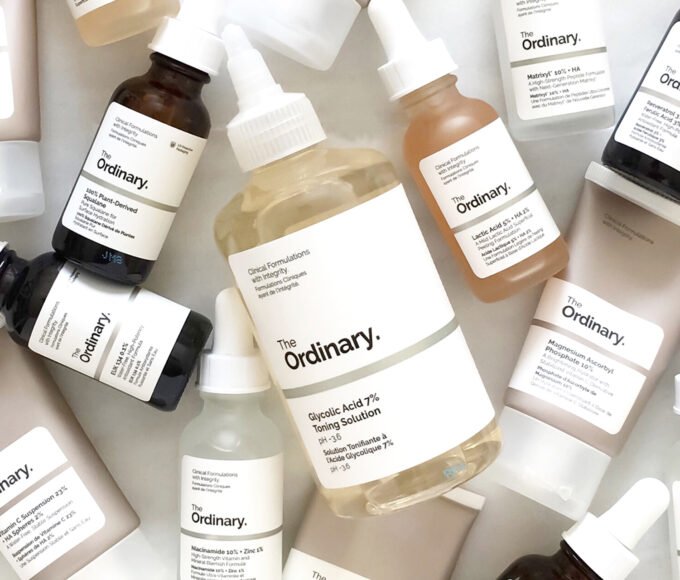
- Over-the-counter peels or low-concentration AHA/BHA toners are safe when used as directed.
- Stick to low concentrations (less than 10% for AHAs, less than 2% for BHAs) to avoid irritation.
3. Hair Care
- Nourishing masks, oil treatments, and glosses are easy to use and rarely damage hair.
- Home hair coloring kits are safe if you follow the instructions and compatibility tests. However, caution is advised when attempting bold color changes or bleaching.
4. Manicures & Pedicures
- Filing, shaping, and regular polishing are safe.
- Disinfect your tools regularly to prevent fungal or bacterial infections.
5. Body Scrubs & Dry Brushing
- A gentle physical exfoliation promotes circulation and removes dead skin cells – but avoid excessive scrubbing.
Proceed with Caution (Mixed Risk)
These treatments can be performed at home, but require careful follow-up and realistic expectations.
- Self-tanners: Practice using them on a small area first to avoid streaks or unexpected discoloration.
- At-home chemical peels (low concentration): Never exceed the recommended application time or concentration.
- Facial steam: Helps tighten pores, but limit use to 5–10 minutes to avoid dryness.
- Over-the-counter teeth whitening strips: Safe for occasional use, but excessive use can erode tooth enamel.
Best Left to the Professionals
Certain treatments require sharp tools, strong chemicals, or medical knowledge. Attempts at home can cause burns, scarring, infections, or long-term damage.
1. Chemical Peels (Medium to Deep)
Professional acids (such as TCA or highly concentrated glycolic acid) can cause burns and post-inflammatory hyperpigmentation if handled improperly.
2. Microneedling & Dermarolling
Even tiny needles can push bacteria into the skin or cause scarring if depth and sterilization are not controlled.
3. Injectables (Botox, Fillers)
Precision is key – an incorrect injection can lead to asymmetry, vascular damage, or infection.
4. Laser & Light Treatments
Professional lasers have variable wavelengths and energy levels tailored to your skin type. Improper use at home can result in burns or pigment changes.
5. Hair Bleaching & Complex Color Correction
Lightening dark hair several levels can damage strands or result in uneven tones. Salon professionals are familiar with developer strength, timing, and aftercare.
6. Extractions
Incorrectly squeezing pimples or blackheads increases the risk of scarring, broken capillaries, and infection. Professional practices use sterile instruments and techniques.
7. Electrolysis or Permanent Hair Removal
Improper use of high-heat appliances can result in burns and patchy regrowth.
Safety Principles for Any At-Home Beauty
- Always perform a patch test: Even natural ingredients can trigger allergic reactions.
- Hygiene comes first: Wash your hands, disinfect tools, and use clean towels.
- Follow the directions: More is not better – do not exceed the recommended strength or application time.
- Know your skin type: Sensitive or damaged skin requires special care.
- Discontinue use at the first sign of irritation: Discontinue use immediately if burning, swelling, or excessive redness occurs.
Balancing DIY with Professional Care
- Routine care: Cleansing, moisturizing, sunscreen, light exfoliation – feel confident doing it yourself.
- Complex corrections: Pigmentation, deep wrinkles, sagging skin – seek expert advice.
- Occasional pampering treatments: Even DIYers can benefit from a quarterly facial or annual peel and achieve results that can’t be safely replicated at home.
Final Takeaway
DIY beauty can be empowering, inexpensive, and fun, but the safest approach is knowing when to step back. Anything that requires deep skin penetration, harsh chemicals, or structural alterations should be left to the professionals. For everything else—moisturizing, gentle exfoliation, basic body care—your bathroom can be your mini spa.
Healthy skin and hair thrive on consistency, patience, and realistic expectations. Combine clever DIY practices with occasional professional guidance, and you get the best of both worlds—radiant glow without the risk.













Leave a comment