Buying designer fashion online is tempting—luxury handbags, statement sneakers, or timeless watches are often available at irresistible prices. But with the increasing number of counterfeit goods online, it’s more important than ever to distinguish genuine items from fakes. Buying counterfeits can not only drain your wallet, but also supports dubious practices and often results in inferior items that don’t last.
If you’re wondering how to shop safely online without falling victim to fraud, this guide will explain the key steps to spotting fake designer items.
1. Check the Seller’s Reputation
The first warning sign is usually the seller.
- Authorized dealers only: High-end brands like Louis Vuitton, Gucci, or Chanel sell exclusively through their websites, flagship stores, or a very limited number of authorized partners. If you find these brands on marketplaces like eBay or questionable websites, be cautious.
- Look for reviews: Check the seller’s online reputation. Multiple complaints, no reviews, or vague information are strong indicators of counterfeit products.
2. Scrutinize the Price
If it sounds too good to be true, it probably is.
- A $3,000 Chanel bag selling for $300 is almost always a fake.
- Designer brands rarely, if ever, offer massive discounts on classic items. Seasonal sales do occur, but standard items (like the Prada Galleria or the Louis Vuitton Speedy) generally retain their price.
3. Examine Product Photos Carefully
When purchasing through third-party platforms, images are the best guide.
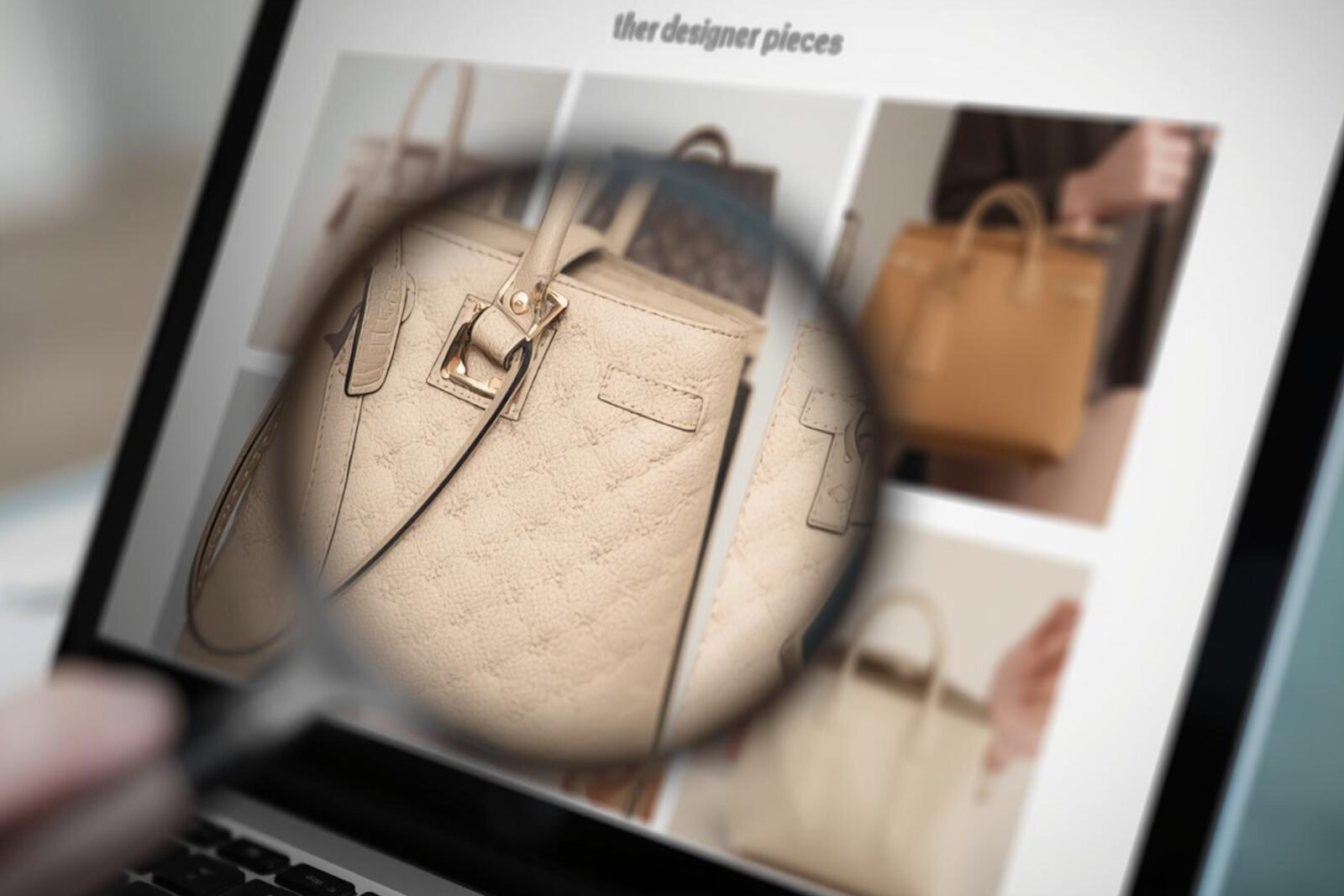
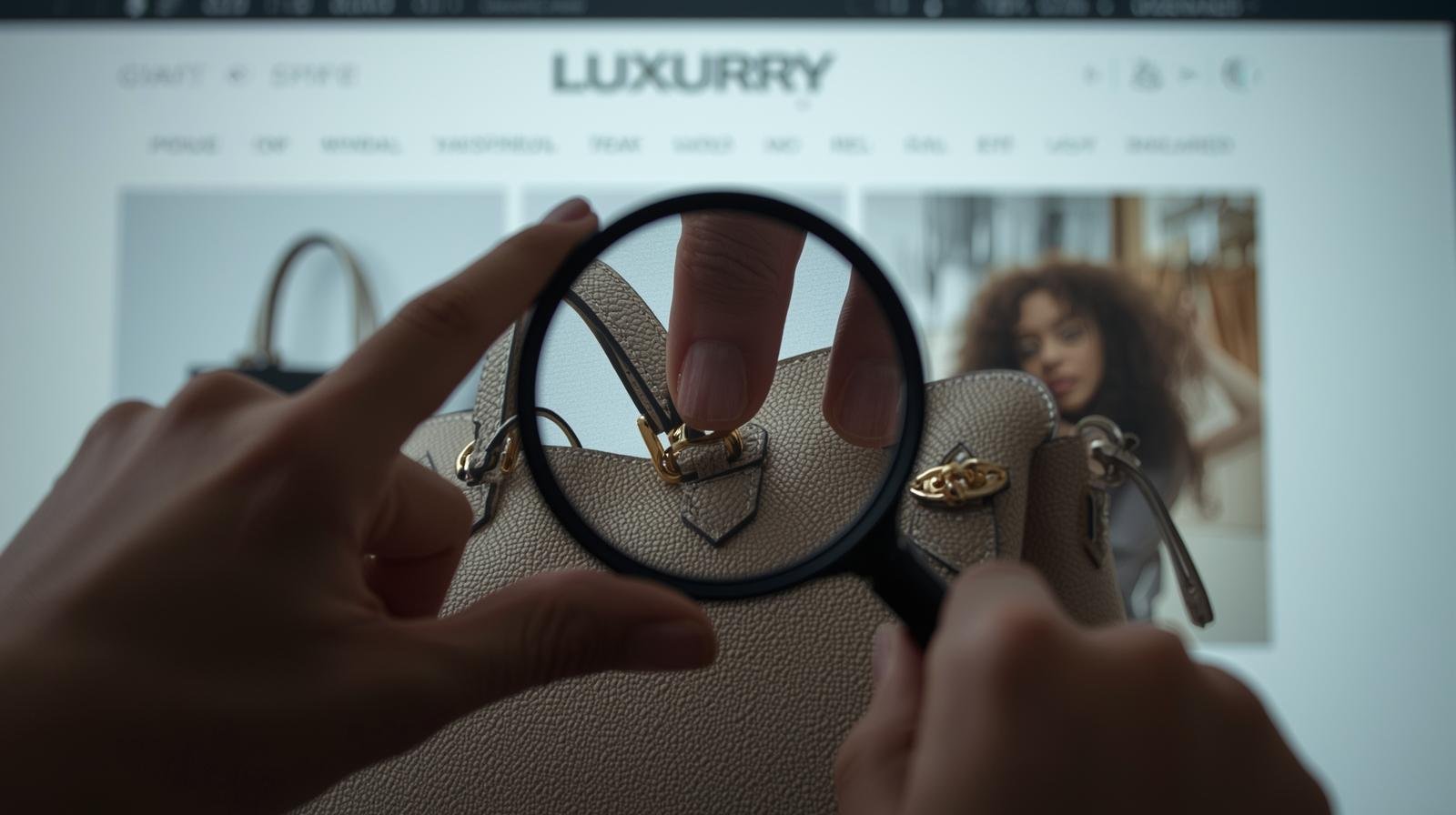
- Ask for multiple photos: Request close-ups of the logo, stitching, zippers, and serial numbers.
- Compare with official images: Visit the brand’s website and compare every detail, from logo placement to hardware finish. Counterfeits often have slightly different fonts, misspelled brand names, or incorrect proportions.
- Beware of stock images: If the seller only posts polished catalog photos, they may not even have the product.
4. Inspect Logos and Branding
Luxury brands place great importance on the design of their logos.
- Fonts, spacing, and alignment must be precise.
- Engraving should be sharp and clean, not blurry or stamped.
- Offset monograms (such as Louis Vuitton’s “LV” cut off at the seams) are a classic sign of counterfeiting.
5. Evaluate the Materials and Craftsmanship
Designer fashion is all about quality.
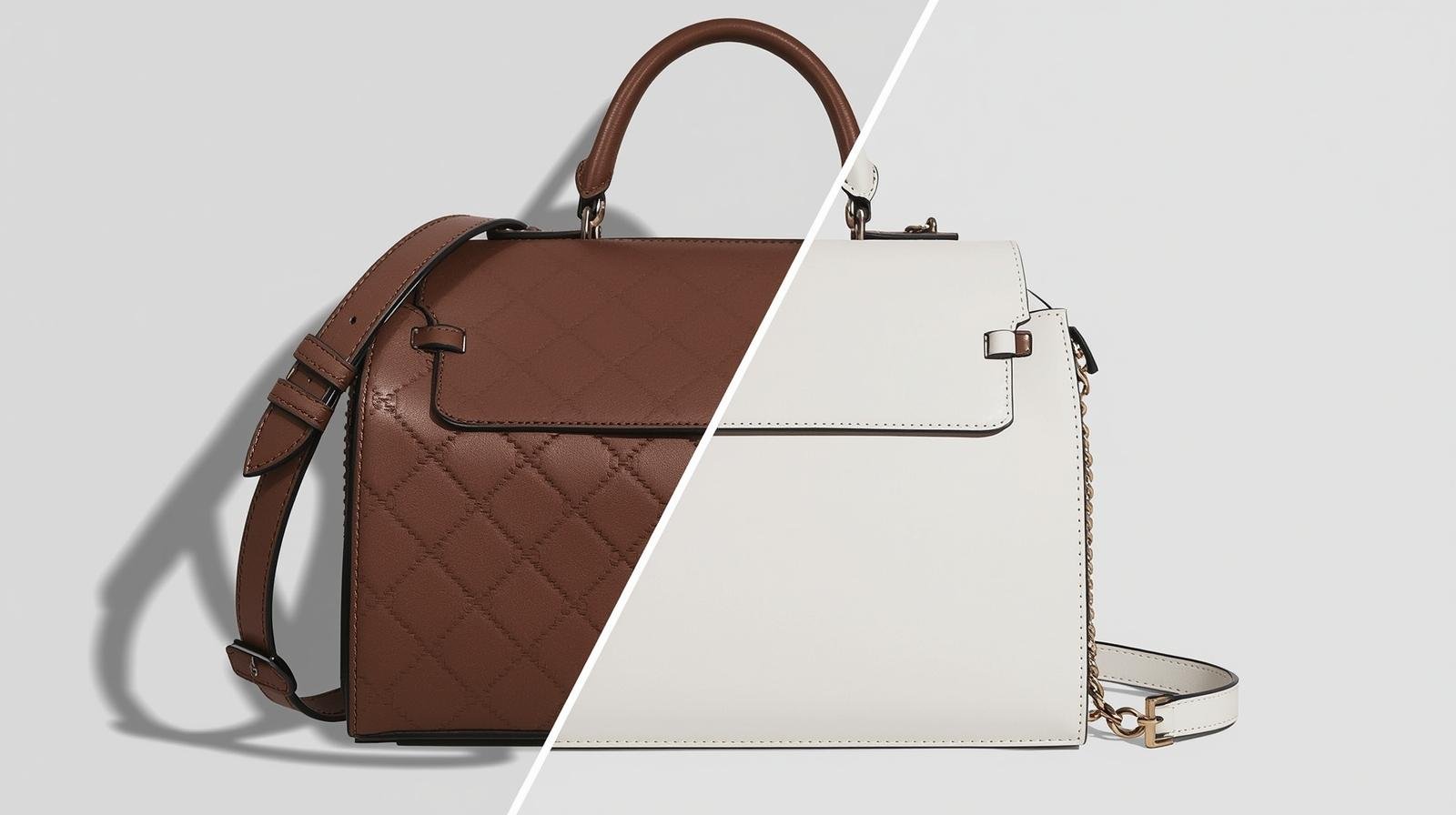
- Genuine leather has a distinctive smell and texture that counterfeits rarely replicate.
- The stitching on authentic items is even, tight, and clean. Uneven or frayed threads indicate poor craftsmanship.
- Hardware such as zippers, clasps, and buckles should feel heavy and sturdy, not wobbly.
6. Check Serial Numbers and Authenticity Cards
Many designer brands use serial numbers, holograms, or certificates of authenticity.
- But be careful: Counterfeiters also copy these, sometimes even convincingly.
- Verify the number with the brand (some brands offer online verification or customer service).
7. Look for Secure Website Features
When purchasing online:
- Make sure the website supports HTTPS (the lock icon in the address bar).
- Check the return policy – reputable retailers offer clear terms, while fake sellers often ignore them.
- Research the domain: New, unknown websites offering “80% off Gucci” are a red flag.
8. Trust Your Gut
Sometimes your instincts are your best guide. If you don’t like something—be it the seller’s response, the product description, or the price—it’s better to walk away than take a risk.
Why Buying Fakes Isn’t Worth It?
While a bargain may be tempting, buying counterfeit fashion has more serious consequences:
- Poor quality: Counterfeits don’t last long, leading to frustration and higher costs in the long run.
- Ethical concerns: Counterfeits are often associated with exploitative labor and contribute to the formation of criminal networks.
- Lost investment: Authentic designer pieces can retain or even increase their value, while counterfeits are worthless.
Final Thoughts
Detecting counterfeit designer pieces online requires vigilance, product knowledge, and common sense. Always do your research before buying, buy from authorized retailers, and don’t be fooled by offers that seem too good to be true. Remember: In the world of luxury fashion, authenticity isn’t just about the product—it’s about the experience, the craftsmanship, and the value that comes with it.














Leave a comment