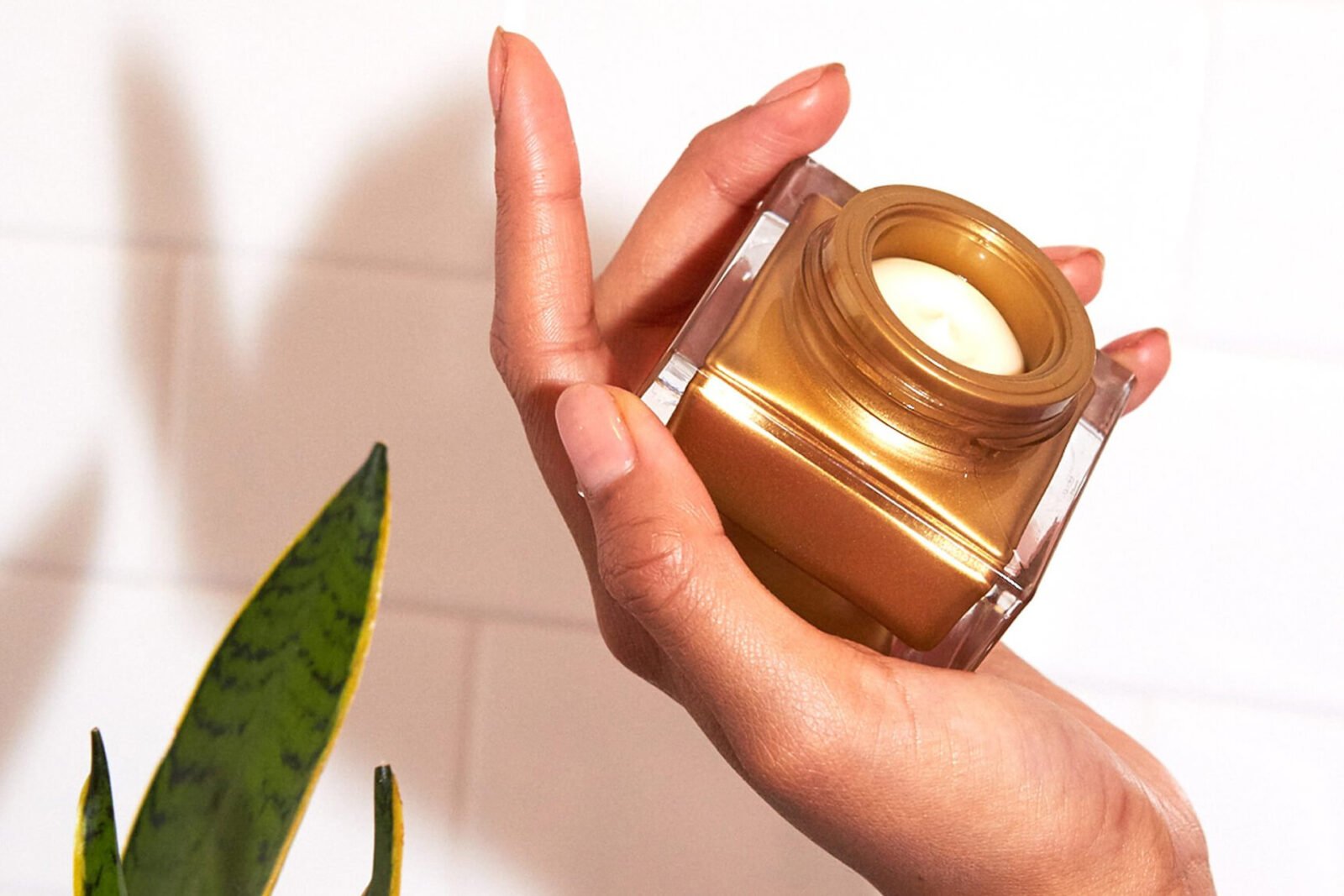
The beauty department has never been so overwhelming. Rows and rows of drugstore cleansing products promise “radiant skin,” while luxury counters tempt with elegant jars as expensive as fine jewelry. Are expensive creams truly superior to their cheaper counterparts, or is it just clever branding? We show you where it’s worth investing and where a simple, affordable alternative works just as well.
The Price vs. Performance Debate
Price alone doesn’t determine effectiveness. Skin care formulas depend on the following factors:
- Active ingredients (what actually changes the skin)
- Concentration (how much of each ingredient is present)
- Formulation stability (does its effectiveness remain over time)
Luxury brands may have cutting-edge packaging, but the science behind many products overlaps with that of drugstore alternatives—especially when it comes to basic steps like cleansing and moisturizing.
Categories Where You Can Save
Cleansers
- Why save: A cleanser stays on the skin for less than a minute before being rinsed off. As long as it removes dirt and makeup without damaging the skin, price has little to do with performance.
- What to look for: Sulfate-free formulas, gentle surfactants, pH-balanced.
- Great drugstore tips: Moisturizing gel cleansers, creamy lotions with ceramides or glycerin.
Moisturizers (Basic Hydration)
- Why save: Many inexpensive moisturizers contain the same moisturizing ingredients as premium creams—for example, glycerin, hyaluronic acid, and ceramides.
- What to look for: Non-comedogenic, fragrance-free for sensitive skin, and ingredients that support the skin barrier.
- Tip: Pay attention to the ingredient list, not the design of the jar.
Sunscreen
- Why save: Legal regulations stipulate that SPF must deliver the advertised performance, regardless of price. Drugstore brands often offer broad-spectrum formulas with dermatologically tested ingredients.
- What to look for: Broad-spectrum SPF 30 or higher, lightweight, and wearable every day.
Lip Balms & Body Lotions
- Why save: Lips and body are moisturized by occlusive ingredients such as petroleum jelly, shea butter, or lanolin—common in both inexpensive and luxury products.
Simple Toners & Mists
- Why save: Unless a toner contains highly effective active ingredients, a simple moisturizing spray or pH balancer can easily be replaced by drugstore products.
Categories Worth Splurging On (Sometimes)
Targeted Serums (Active Ingredients)
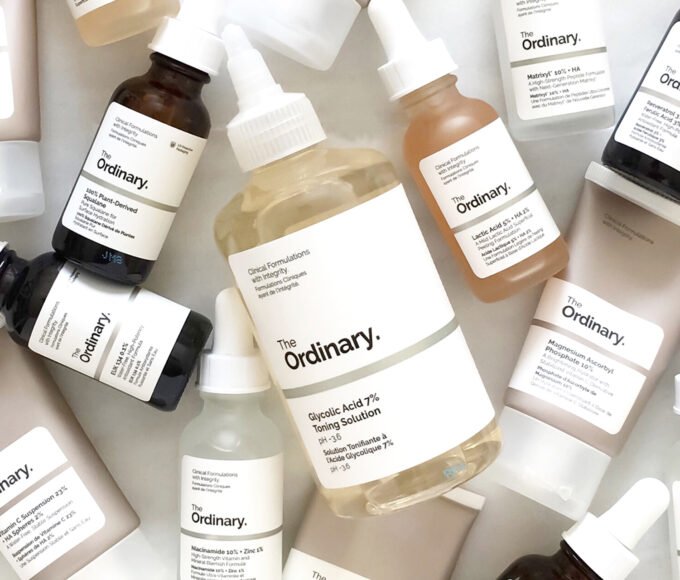
- Why you should spend more: High-quality serums often justify a higher price with stabilized formulas, higher concentrations, and advanced delivery systems.
- Examples: Vitamin C (L-ascorbic acid), growth factors, and advanced peptide complexes.
- Tip: Check the concentration and stability of the formulation before paying a premium.
Retinoids & Prescription-Strength Actives
- Why spend money: Some luxury brands invest heavily in capsule technology and slow-release systems that improve tolerability. However, prescription retinoids can be more affordable and effective than cosmetic retinol—speak to a dermatologist.
Chemical Exfoliants (AHAs/BHAs)
- Why spend money: Quality can vary when it comes to pH control, supportive ingredients (soothing agents), and delivery systems that reduce irritation while maximizing results.
Eye Creams (For Specific Concerns)
- Why spend money: If you want to combat dark circles caused by vascular problems or require advanced peptides, some higher-quality formulations offer added stability and an improved texture.
- Warning: Many “luxury” eye creams still fall short of expectations. Pay attention to the ingredients, not the brand.
Professional-Grade Treatments
- Why spend money: Clinical-quality peels, in-office laser treatments, and dermatologist-developed product lines deliver evidence-based results that drugstore products can’t achieve.
Questions to Ask Before Spending Big
- Are there any peer-reviewed studies supporting this ingredient?
- Does the brand list active ingredient concentrations?
- Is the packaging designed to maintain efficacy (airless pumps, opaque bottles)?
- Can I find similar ingredients at a lower price?
Myths to Ditch
- “Luxury is always better.” Marketing, packaging, and prestige drive up costs.
- “Drugstore means poor quality.” Many cheap products are dermatologically tested and clinically proven.
- “The more steps, the better.” Effectiveness depends on the ingredients and consistency, not the number of products.
Building a Smart Routine (Balanced Approach)
- Core steps (cleanse, moisturize, protect): Save money—the drugstore is the place to go.
- Effective treatments (serums, retinoids): Consider splurging on clinically supported formulas.
- Occasional indulgence: If the texture or scent of a luxury cream adds joy to your routine, that joy is also valuable—but be aware that it’s a treat, not a miracle.
Bottom Line
- Save on: Cleansers, basic moisturizers, sunscreen, lip balm, body lotion, and simple toners.
- Treat yourself (strategically): Effective serums, well-formulated retinoids, stabilized vitamin C, and dermatologist-recommended treatments.
Smart skincare isn’t about the biggest budget—it’s about evidence, ingredients, and consistency. Invest where science proves results, and don’t hesitate to grab an affordable staple product if it works.












Leave a comment