Skincare has become a multi-billion dollar industry, but with everything from serums to sheet masks, it’s also teeming with misinformation. Social media tips, old wives’ tales, and influencer trends can make your skincare routine more confusing than ever. To put an end to this, we asked dermatologists what people should stop believing. Here are ten of the most common myths—debunked.
1. Myth: You Only Need Sunscreen on Sunny Days
Reality: Up to 80% of UV rays still penetrate clouds. Dermatologists emphasize that daily SPF—whether rain, shine, or snow—is the best protection against premature skin aging and skin cancer. Sunscreen is therefore a must every morning, just like brushing your teeth.
2. Myth: Oily Skin Doesn’t Need Moisturizer
Reality: Skipping moisturizer often worsens oiliness. When the skin barrier is dehydrated, the sebaceous glands overcompensate and produce even more oil. Choose a light, non-comedogenic gel or lotion to keep hydration levels balanced.
3. Myth: Natural Ingredients Are Always Safer
Reality: Poison ivy is also natural. Dermatologists observe numerous skin rashes caused by “clean” products containing essential oils or botanical ingredients. The safety of a formula is ensured by rigorous testing—not just an organic label. Test new products regularly, whether natural or not.
4. Myth: If It Burns, It’s Working
Reality: A slight tingling sensation can be normal with exfoliating acids, but stinging or burning signals irritation, not effectiveness. Chronic irritation damages the skin barrier, making it red, flaky, and more sensitive. Gentle, consistent care is better than the “no pain, no gain” approach.
5. Myth: You Can Shrink Pores Permanently
Reality: Pore size is largely genetic. Retinoids, salicylic acid, and regular exfoliation can shrink them by removing impurities, but no topical product will permanently seal them. Focus on clear skin, not making pores invisible.
6. Myth: Higher SPF Means All-Day Protection
Reality: SPF 50 doesn’t last five times longer than SPF 10. All sunscreens—whether SPF 30 or 50—need to be reapplied every two hours outdoors. Think of SPF like a seatbelt: It only works if you wear it correctly, not just because it’s “strong.”
7. Myth: Tanning Beds Provide a ‘Safe’ Base Tan
Reality: There’s no such thing as a safe tan. Any darkening of the skin causes DNA damage. Tanning beds emit concentrated UVA rays, which are linked to skin cancer and accelerated skin aging. Self-tanners or tanning drops are the only truly risk-free way to achieve a radiant complexion.
8. Myth: Acne Is Caused by Dirty Skin
Reality: Acne is primarily hormonal and genetic. Over-cleansing irritates the skin and increases inflammation, which can lead to breakouts. Dermatologists recommend gentle cleansing, a non-comedogenic moisturizer, and targeted treatments like benzoyl peroxide or retinoids.
9. Myth: Drinking Gallons of Water Erases Wrinkles
Reality: While adequate hydration is good for overall health, drinking extra water won’t plump up deep wrinkles. Skin hydration depends more on the health of your skin barrier, moisturizers, and collagen than on how many liters you drink.
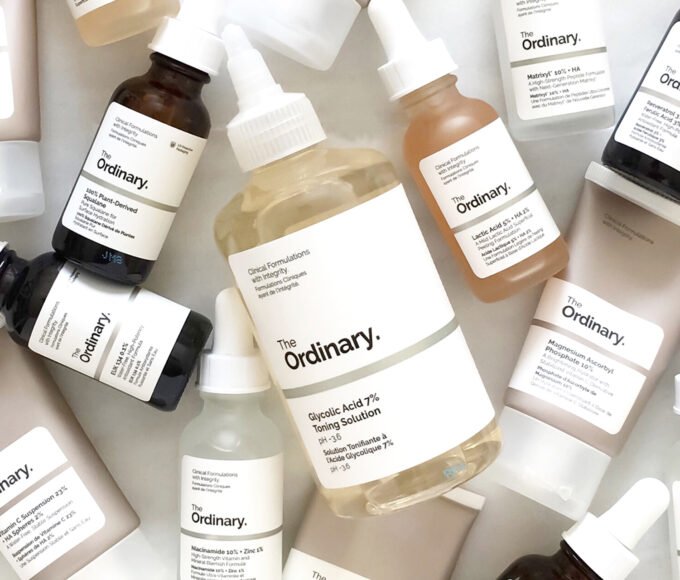
10. Myth: More Products Equal Better Skin
Reality: Applying ten serums on top of each other can overwhelm your skin barrier and trigger irritation. A simple, consistent routine—cleanse, condition, moisturize, protect—is better than an overstuffed shelf. Dermatologists often prescribe fewer products for better results.
Practical Takeaways
- Daily SPF: Essential, regardless of the weather.
- Barrier first: A calm, hydrated skin barrier protects against damage and ages gracefully.
- Quality over quantity: Invest in proven ingredients (retinoids, vitamin C, niacinamide) instead of chasing every trend.
- Patch test: Even “natural” formulas can cause reactions.
Final Thoughts
Skincare thrives on simplicity and science—not viral myths. The next time you fall for a quick fix, remember: Healthy skin develops over months, not overnight. A dermatologist-recommended routine, patience, and protection will always trump miracle promises.













Leave a comment